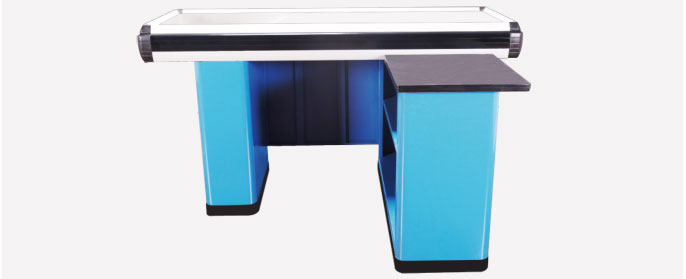
Still Wondering What Makes a Metal Checkout Counter Tick?
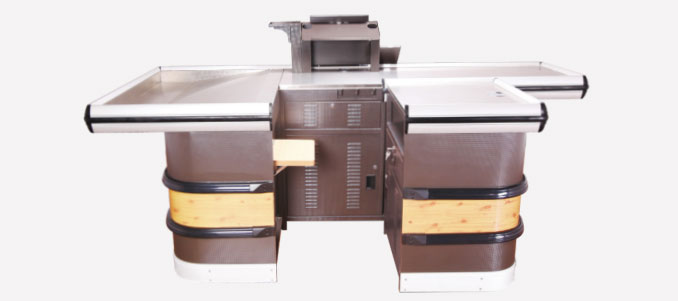
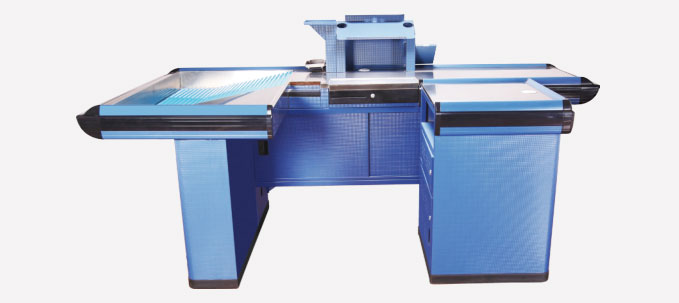
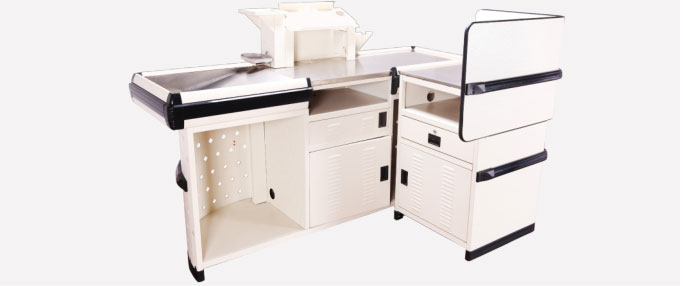
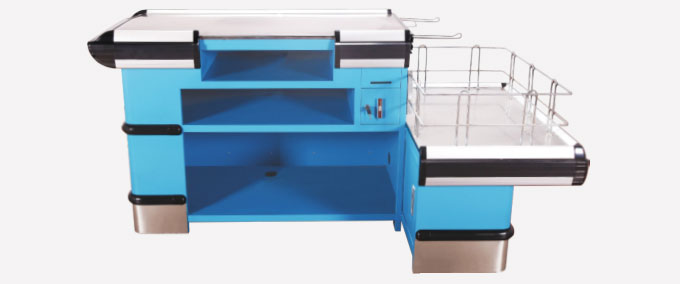
Walk into any high-traffic supermarket or pop-up boutique and you’ll spot one common denominator: a sleek, steel-clad checkout hub that refuses to wobble even when impatient shoppers lean on it with full carts. That’s no accident. Retailers are quietly swapping out wooden or plastic POS stations for the metal checkout counter—and the reasons go far beyond good looks.
From Cash Drawer to Conversion Machine: The Core Benefits
Let’s cut to the chase. A metal checkout counter is durability on steroids. Unlike particle-board units that puff up after one spilled latte, powder-coated steel shrugs off moisture, disinfectants, and the occasional screwdriver scratch. Translation? You’re not forking out for a replacement every two years, which keeps your CapEx happy and your accountant happier.
But longevity is only half the story. Modern laser-cutting tech means you can punch cable ports, RFID shielding, or even a hidden phone-charging slot at zero extra tooling cost. The result is a modular skeleton that grows with your tech stack—be it a legacy cash register or a cloud-based POS tablet. Pretty neat, huh?
Does a Metal Checkout Counter Really Boost Customer Throughput?
Short answer: yep. The secret lies in the slimline profile. Steel frames can be engineered at a mere 25 mm thickness while still supporting 150 kg of load. That extra 5–7 cm of knee-space you save translates into an additional shopper queuing comfortably inside your floor plan. During peak hours, one extra body in line can raise impulse purchases by up to 8 %, according to a 2023 NRF report. So yeah, inches literally turn into dollars.
What About Design Flexibility—Can Steel Look “Warm”?
Designers used to gripe that metal feels cold, but that’s yesterday’s news. Today’s micro-textured powder coats mimic anything from matte charcoal to warm rose gold. Pair the panel with oak end-cheeks and recessed LED strips, and you get a Scandinavian vibe that invites selfies—and free social-media exposure. Talk about a twofer!
Hidden Cost Traps Most Suppliers Won’t Tell You
Here’s where it gets dicey. Some vendors quote a bargain-basement price but slip in “mild-steel internals” that rust the moment humidity sneaks past 60 %. Always insist on zinc-sealed, automotive-grade steel (usually SGCC or better) and a minimum 60 µm powder-coat thickness. Skimp on those specs and you’ll be swapping counters faster than you can say “return on investment.”
Installation Hacks to Save You 3 Hours and a Headache
- Pre-level your floor with a laser before the courier truck arrives; steel frames don’t forgive uneven tiles.
- Order the counter in CKD (completely knocked-down) form—flat-pack slashes freight cost by 40 % and slips through a 90 cm doorway.
- Keep a couple of penny washers handy; they’re lifesavers when the subfloor decides to be a drama queen.
Metal vs. Wood vs. Acrylic: a Quick Fire Showdown
| Feature |
Metal |
Wood |
Acrylic |
| Impact Resistance |
Excellent |
Fair |
Poor |
| Weight |
Medium |
Heavy |
Light |
| Cost / Year* |
$120 |
$210 |
$180 |
*Based on 5-year amortization, including maintenance. Numbers don’t lie, folks.
Isn’t Steel Bad for the Planet, Though?
Surprise: steel is the most recycled material on Earth. Choose a vendor that certifies at least 30 % post-consumer content and you slash embodied carbon by 1.8 kg CO₂ per kilo of frame. Add a take-back program and your ESG report practically writes itself. Future-you will high-five present-you.
Quick Checklist Before You Hit “Buy Now”
- Verify load rating—look for 150 kg+ UDL certification.
- Ask for a swatch of the powder coat; scratch it with a coin to test adhesion.
- Confirm cable management depth; 80 mm is the sweet spot for most POS bundles.
- Request a 3-D STEP file to drop straight into your store-planning software.
- Negotiate landed cost, not FOB—ports are quirky these days.
The Bottom Line
A metal checkout counter isn’t just a piece of furniture—it’s a silent salesman, a brand statement, and a balance-sheet hero rolled into one shiny package. Ignore the upfront sticker shock; the TCO math is so lopsided in your favor you’ll wonder why you ever flirted with melamine. Ready to make the switch? Your queue (and your CFO) will thank you.