Why Checkout Furniture Matters More Than You Think
Walk into any high-volume wholesale supermarket and you’ll notice one thing within seconds: customers hate to wait. A sluggish queue can wipe out repeat visits faster than a price hike on milk. That’s why seasoned store planners now treat the wholesale supermarket cashier counter table as profit infrastructure, not a piece of furniture. When spec’d correctly, it shortens cycle time, trims labor hours, and even nudges impulse sales at the final foot of the trip.
What Exactly Is a “Cashier Counter Table” in Wholesale Trade?
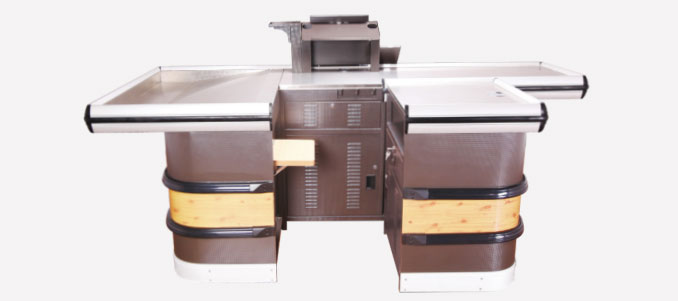
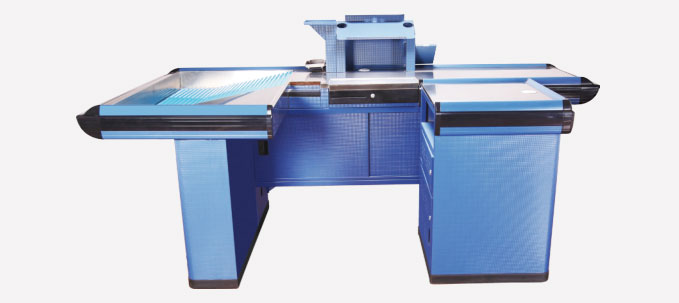
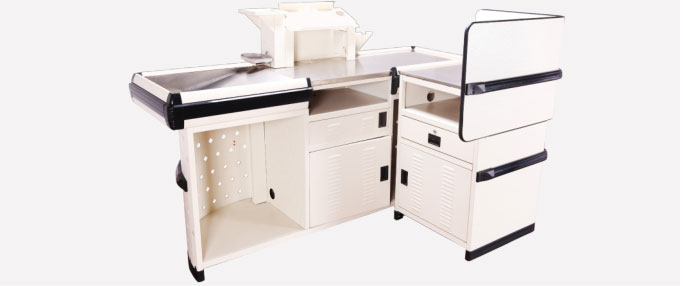
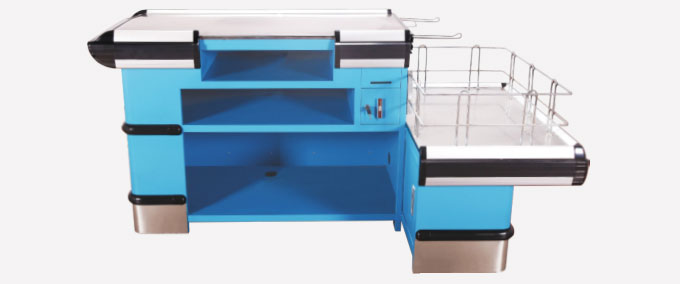
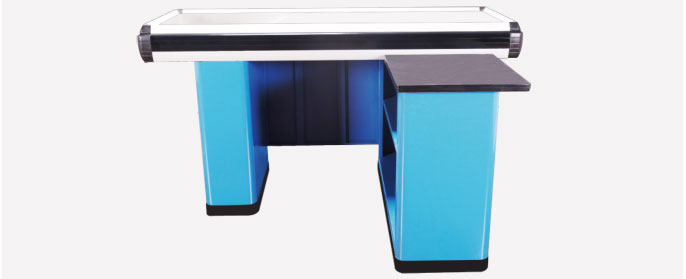
In a typical corner shop you’ll see a narrow podium with a drawer. Scale that up to a wholesale warehouse and the same item balloons into a modular, heavy-duty workstation: barcode belt, POS mount, receipt printer cavity, underside cash safe, and bagging shelves. The goal is to keep large-format orders moving without forcing cashiers to twist, bend, or leave their post. Sounds simple, but pick the wrong height or depth and watch your scan rate drop by 15 %—yep, that much.
Key Specs That Separate Winners From Wasters
- Depth: 600 mm minimum so bulk rice sacks can slide, not jam.
- Load rating: 180 kg static weight for beverage crates.
- Modesty panel: powder-coated steel to stop stray feet from kicking cables.
- Height adjustability: 850–950 mm range accommodates both standing and saddle-seat cashiers (trust me, backs saved = fewer sick days).
- Integrated cable raceway: keeps PCI-compliant hardware off the customer’s tarmac.
Material Talk: MFC vs. Stainless vs. Thermoplastic
Wholesale outlets run 16-hour shifts; retail laminates delaminate in months. Stainless tops shrug off pallet bumps, yet they reflect scanner beams, causing mis-scans. A hybrid—thermoplastic edge with stainless undertray—gives impact resistance without the glare. MFC (melamine faced chipboard) stays budget-friendly for pop-up stores, but don’t kid yourself: it swell like crazy once the nightly hose-down starts.
The 1.5-Metre Rule Every Floor Manager Ignores
The distance from scanner lens to first roller must be ≥1.5 m. Shorter means the belt throws items back at shoppers, longer wastes footprint. Google “supermarket conveyor length vs. throughput” and every peer-reviewed chart lands on 1.5 m as the sweet spot for wholesale-sized carts. Ignore it and your queue snakes to the bakery aisle—lost sales right there.
ROI: How Fast Does a Better Counter Pay for Itself?
Assume a $3,200 premium counter saves three seconds per order on 1,200 daily transactions. Three seconds × 1,200 = 1 hour saved per day. At $18 loaded wage, that’s $6,570 per year. Add payment-error reduction (0.02 % of sales) and the unit pays back in 5.3 months. After that, it’s pure margin—kinda neat, huh?
Installation Hacks to Dodge Grand-Opening Disasters
- Pre-assemble the frame in the parking lot; forklifting a fully-built counter through a 2.4 m roller door is a nightmare.
- Level first, bolt second. Floors in wholesale depots slope 3–5 mm; shims under legs stop belt drift.
- Run network cable before the POS vendor shows up; otherwise they’ll staple it across your fire-exit sign.
Future-Proofing: Self-Checkout and Hybrid Models
Amazon’s Just-Walk-Out tech is cool, yet wholesale clubs rely on membership verification—cashiers still matter. The smart money installs a convertible counter: remove two bolts and the belt section flips to a bagging well, letting one host supervise four self-scan pods. Same counter, three layouts, zero re-concrete work. Google Trends shows “hybrid checkout counter wholesale” climbing 22 % YoY; ride that wave early.
Quick Checklist Before You Click “Add to Cart”
Print this, stick it on your procurement monitor:
✓ Belt speed: 0.2 m/s minimum
✓ Motor: 90 W brushless with thermal cut-out
✓ Frame: 1.5 mm folded steel, not 1.0 mm
✓ Finish: antimicrobial powder coat, 60 μm
✓ Warranty: 5 years parts, 2 years on-site labor
Where to Source Without Getting Burned
Alibaba lists 3,200+ suppliers, but MOQ is 20 units—overkill for a single outlet. Domestic mill-work shops charge $6k each and miss UL listings. The sweet spot? Specialist importers who keep 50-plus flat-pack units in regional warehouses. They deliver in five days, offer spare belts, and carry liability insurance. Search “wholesale supermarket cashier counter table in stock USA” and filter for suppliers who publish CAD blocks; if they have BIM files, you’ve found a pro.
Bottom Line
Choosing the right wholesale supermarket cashier counter table isn’t a décor decision—it’s a throughput engine. Nail the specs, factor in ROI, and your checkout becomes the silent salesman that never clocks out. Ignore it, and the only thing moving faster than your customers will be their thumbs—posting one-star reviews.