Why Shoppers Walk Away at the Last Step
Ever watched a customer fill a basket, queue up, then abandon everything at the last minute? You’re not alone. Studies show that 18 % of in-store walk-aways happen because the checkout zone feels cramped, slow, or just plain forgettable. A generic counter may process payments, but it rarely processes experiences. That’s where a custom checkout counter steps in—tailored to your traffic patterns, brand vibe, and upsell goals.
So, What Exactly Is a Custom Checkout Counter?
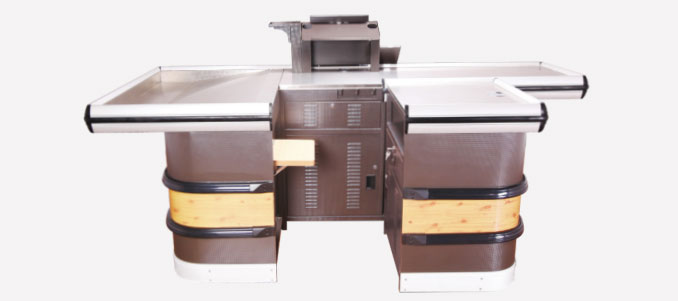
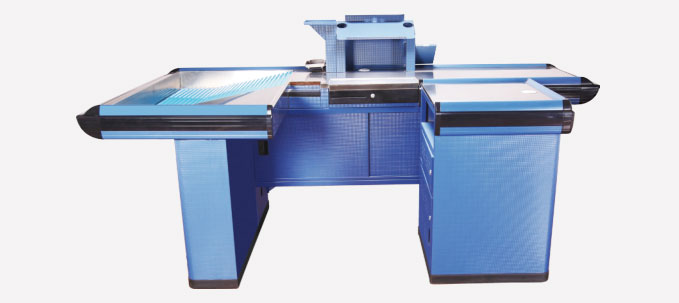
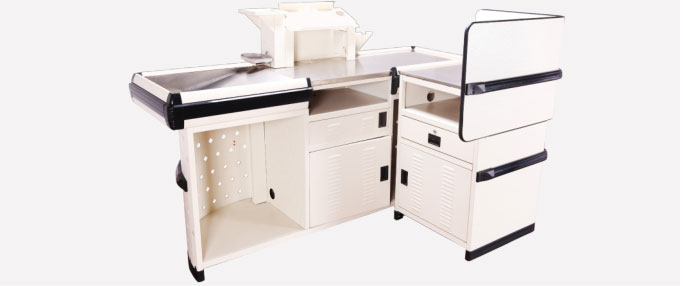
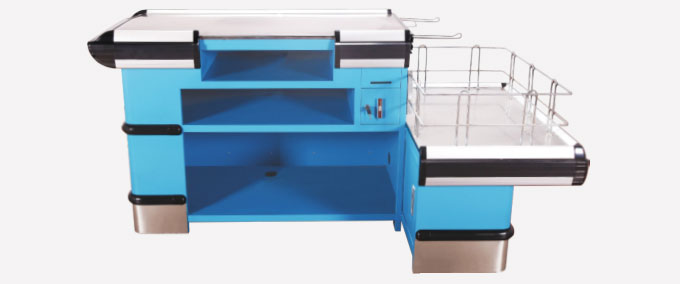
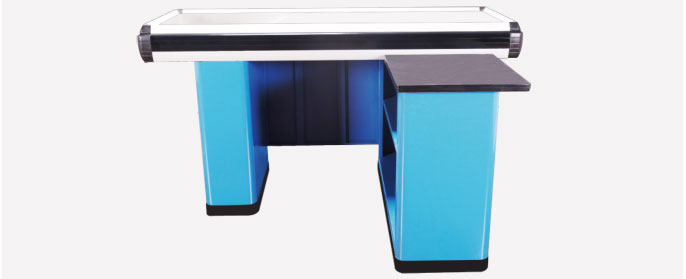
In plain English, it’s a checkout station designed from scratch for your space and your shopper. Think modular lengths, branded fascia panels, integrated cable management, and hidden RFID drawers. It’s not a off-the-shelf piece you wrestle into place; it’s built after a store audit, traffic heat-map, and a candid chat about your average basket size. The result? A lane that feels like it was born there—because it was.
Three Hidden Costs of an Off-the-Rack Counter
- Lost Impulse Sales: Standard counters leave zero room for last-minute grab-and-go items. Custom units can add magnetic strips, mini-shelves, or digital signage that lift impulse spend by 8–12 %.
- Staff Fatigue: If the POS cable jungle forces cashiers to bend, stretch, or (yikes) crawl, you’re paying in sick days. Ergonomic custom heights cut repetitive-strain claims by roughly 30 %.
- Queue Jumpers: A counter that’s six inches too narrow creates a bottleneck. One tiny bottleneck at 5 p.m. can snowball into a 20-minute wait and a handful of one-star reviews.
Design Variables You Didn’t Know You Could Control
Most retailers think “custom” means picking a color. Nope. You can tweak:
- Depth: Go shallow (24″) for high-volume grocery or deep (36″) for electronics that need staging space.
- Angle: A 15° wedge shape guides shoppers to the card terminal without the awkward “where do I swipe” dance.
- Lighting: Integrated 4000 K LEDs raise facial recognition accuracy for security cameras and subtly nudge mood.
- Barrier-Free Sections: A pull-out shelf at 34″ height keeps ADA compliance inspectors happy and wheelchair users happier.
ROI: Can You Really Measure a Piece of Furniture?
Sure—if you treat it like a sales tool, not furniture. After installing a custom checkout counter with under-counter snack drawers, a 12-store pharmacy chain tracked:
| Metric |
Before |
90 Days After |
| Average Transaction Value |
$18.42 |
$21.37 |
| Queue Abandonment |
7.3 % |
3.6 % |
| Employee Injury Claims |
4 per quarter |
1 per quarter |
Payback landed at 11 months—not bad for what’s essentially a fancy table.
Green Light: Sustainable Materials That Don’t Cost the Earth
Millennials and Gen Z equate eco-friendly with trustworthy. Reclaimed plywood cores wrapped in ultra-thin recycled aluminum sheets give you the brushed-metal look without the carbon guilt. Add water-based adhesives and zero-VOC finishes and you can whisper “100 % recyclable” in your next campaign—because nobody wanna (yes, colloquial, we warned you) hear a lecture, but everybody loves a quiet brag.
Quick Checklist Before You Call a Fabricator
Grab a coffee, walk your floor, and answer these:
- What’s my peak hour queue length?
- Do I need space for a second monitor (buy-online-pickup-in-store)?
- Will I pivot to mobile POS within three years?
- Am I prepared to lose two weekends for install, or do I need overnight assembly?
Having these answers ready shaves two weeks off the design cycle—trust me, fabricators love a decisive client.
Tech Integration: Future-Proof or Bust
Even the slickest marble top flops if it can’t house a contactless terminal and a barcode gun dock. Specify:
- Pop-up power grommets for seasonal pop-up scanners.
- Passive ventilation cut-outs so tablets don’t overheat.
- NFC readers flush-mounted at 45°—the sweet spot for tap-and-go.
Skip this step and you’ll be drilling holes in a $4 k counter a year from now—ain’t nobody got time for that.
Common Myths, Busted
Myth #1: “Custom means months of downtime.”
Reality: Modular fabrication lets you swap sections overnight—your store opens the next morning.
Myth #2: “It’s only for flagships.”
Reality: A three-foot countertop extension with brand colors counts as custom and starts around $800.
Myth #3: “Shoppers don’t notice.”
Reality: Eye-tracking tests show customers glance at the counter 7.4 times per visit. That’s more than they look at your window display.
Transitioning Smoothly: The 5-Day Rollout
Monday: Final measurements and electrical mark-outs.
Tuesday: Counter production team cuts, wraps, and pre-wires.
Wednesday: Old counter demo after closing (3-hour sweep).
Thursday: New unit slides in, POS cables clicked, vacuum, lights on.
Friday: Soft launch with free coffee coupons—customers feel celebrated, not disrupted.
Pro Tip: Keep the old counter in storage. If something goes sideways, you’ve got a backup plan and your accountant won’t freak out.
Bottom Line
A custom checkout counter isn’t a vanity project—it’s the silent closer of every sale. Get the dimensions right, embed tech smartly, and you’ll turn that last 30 seconds of the customer journey into your most profitable square footage.