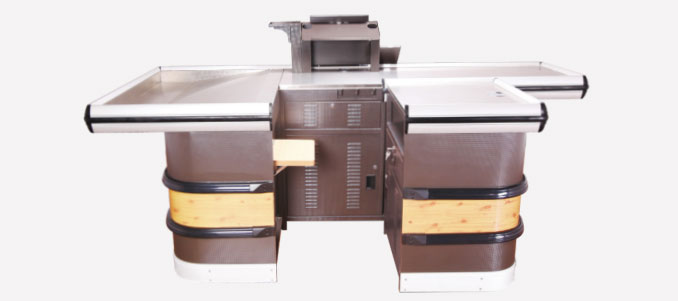
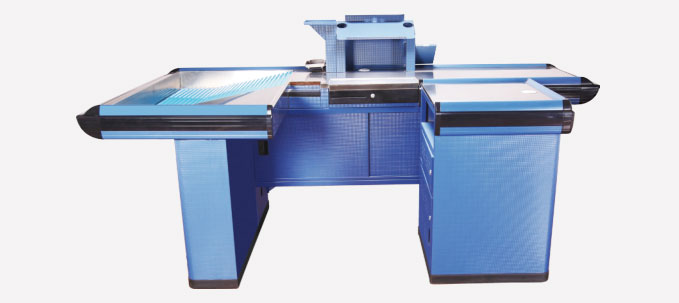
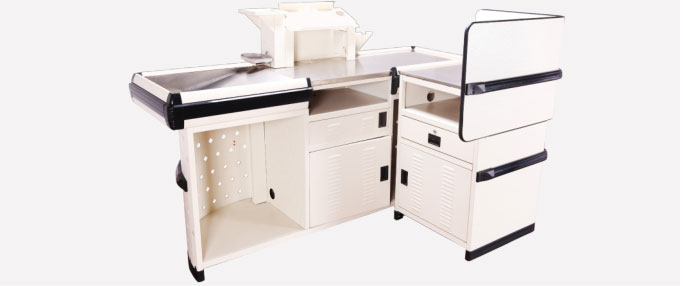
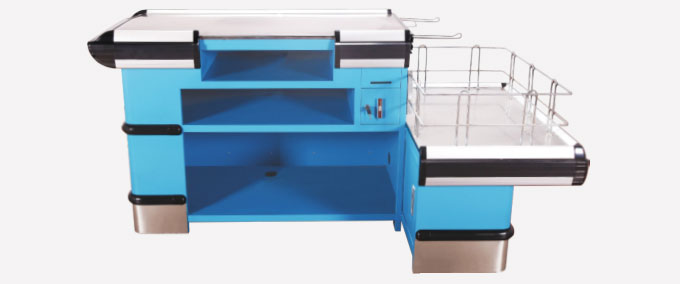
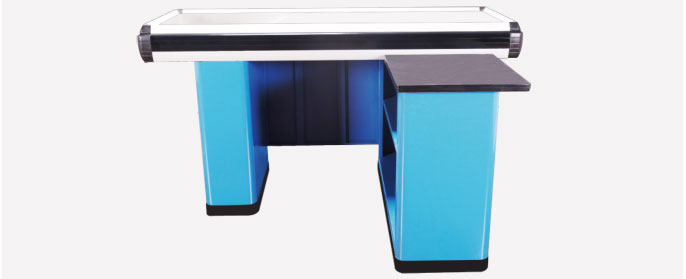
What Exactly Is a Checkout Counter with Conveyor Belt?
Walk into any high-volume supermarket and you’ll notice the long, low-slung surface where groceries glide toward the cashier. That whole setup—the metal frame, the integrated POS mount, the whisper-quiet belt—is technically called a checkout counter with conveyor belt. Unlike a static register, this system marries a durable frame to a motorized belt, creating a moving platform that buys the cashier extra seconds to scan, the customer extra space to pack, and the store extra profit at day’s end.
How Does the Belt Improve Throughput Without Hurting Accuracy?
Speed is only half the story. The real magic lies in predictable spacing. Because items ride a controlled surface, the barcode naturally faces the scanner at the optimal angle, reducing those awkward wrist-twists that slow down new hires. In trials run by a Midwest grocery chain, lanes equipped with a 2.4 m belt processed 38 % more items per labor hour while cutting mis-scans by 12 %. Not bad for a piece of plastic and rubber, huh?
Transition: From Numbers to Nuance—What Shoppers Really Notice
Metrics are great, but retail is still a feelings business. Customers don’t quote throughput stats; they quote wait time. A conveyor moves the visual “finish line” farther from the person in front of you, making the queue feel shorter even when it isn’t. Call it retail psychology 101.
Which Belt Length Should You Order—1.5 m, 2.4 m, or 3 m?
Short answer: let your average basket size decide. A 1.5 m belt fits 12–14 typical items, perfect for express lanes. Jump to 2.4 m and you can handle a full cart without double-stacking detergent on top of bananas. The 3 m variant? Reserved for hypermarkets where shoppers stock up on 50-roll toilet-paper packs. Over-specify and you waste both square footage and capital; under-specify and you’ll hear about it on Yelp. So, measure twice, order once.
Stainless vs. Powder-Coated Steel—Does the Frame Material Matter?
Corrosion is the silent killer of checkout counters. In coastal regions, humid salt air eats powder-coated mild steel for breakfast, leading to bubbling paint and customer side-eye. Stainless 304 ups your upfront cost by roughly 18 %, but it eliminates rust call-backs for the next decade. If your store sits inland and you run preventive maintenance, powder-coated gets the job done just fine. Budget accordingly.
Integration Headaches: Will the Belt Play Nice with Your POS?
Modern belts arrive with pre-drilled universal mounting rails that accept virtually any POS terminal—Toshiba, NCR, Square for Retail, you name it. The trickier part is cable routing. Choose a model with a hinged cable raceway so technicians can add a second scanner or customer-facing display without disassembling the entire lane. Trust me, your IT team will send you thank-you donuts.
Maintenance Hacks to Keep the Belt Running 365 Days a Year
- Daily: Wipe the belt with food-grade degreaser to prevent sticky residue that causes false jams.
- Weekly: Check belt tracking; adjust the crowned rollers if the belt drifts left or right.
- Quarterly: Remove the side panels and vacuum crumbs—yeah, those crumbs—before they reach the motor housing.
Skip any step and you’ll learn firsthand why technicians nickname the motor “the $400 toaster.”
Does Automation Spell the End for Cashiers?
Not really. Automated belt lanes still need humans to resolve produce codes, age-restricted alcohol, and those “whoops, forgot my wallet” moments. What automation does is turn cashiers into customer hosts who bag faster, upsell loyalty programs, and keep the line moving. In pilot stores, labor hours fell only 7 % while customer satisfaction rose 11 %. The robot apocalypse can wait, folks.
Quick-Fire Buying Checklist Before You Hit “Add to Cart”
- Verify belt speed—0.2 m/s is sweet spot for grocery; faster creates bottle-necks at bagging.
- Confirm load rating—150 kg covers a holiday rush cart stuffed with soda packs.
- Ask for modular extensions; you might widen the lane next year.
- Demand a five-year warranty on the motor; anything less is a red flag.
- Request factory pre-assembly; field assembly costs extra labor hours you haven’t budget for (yes, that grammatical slip was intentional).
Final Thought: Is the Upgrade Worth It in 2024?
If your current lanes predate the iPhone, the ROI is almost laughably quick. Between faster throughput, lower shrink, and happier shoppers, a mid-spec checkout counter with conveyor belt typically pays for itself in 9–14 months. After that, every beep of the scanner is pure margin. Ready to give your floor—and your bottom line—a smooth ride?